Designing Spaces
That Feel Like Home
Design Ideas for a Home That Feels Like You

ABOUT Chisholm Designs
Creating Beauty in Everyday Rooms
Chisholm Designs is a home design and decorating blog focused on simple, stylish, and realistic ways to make everyday spaces feel more beautiful, organized, and personal.
Our Blog
Your Guide to Stylish Home Spaces
- How to Make a Small Room Feel Bigger
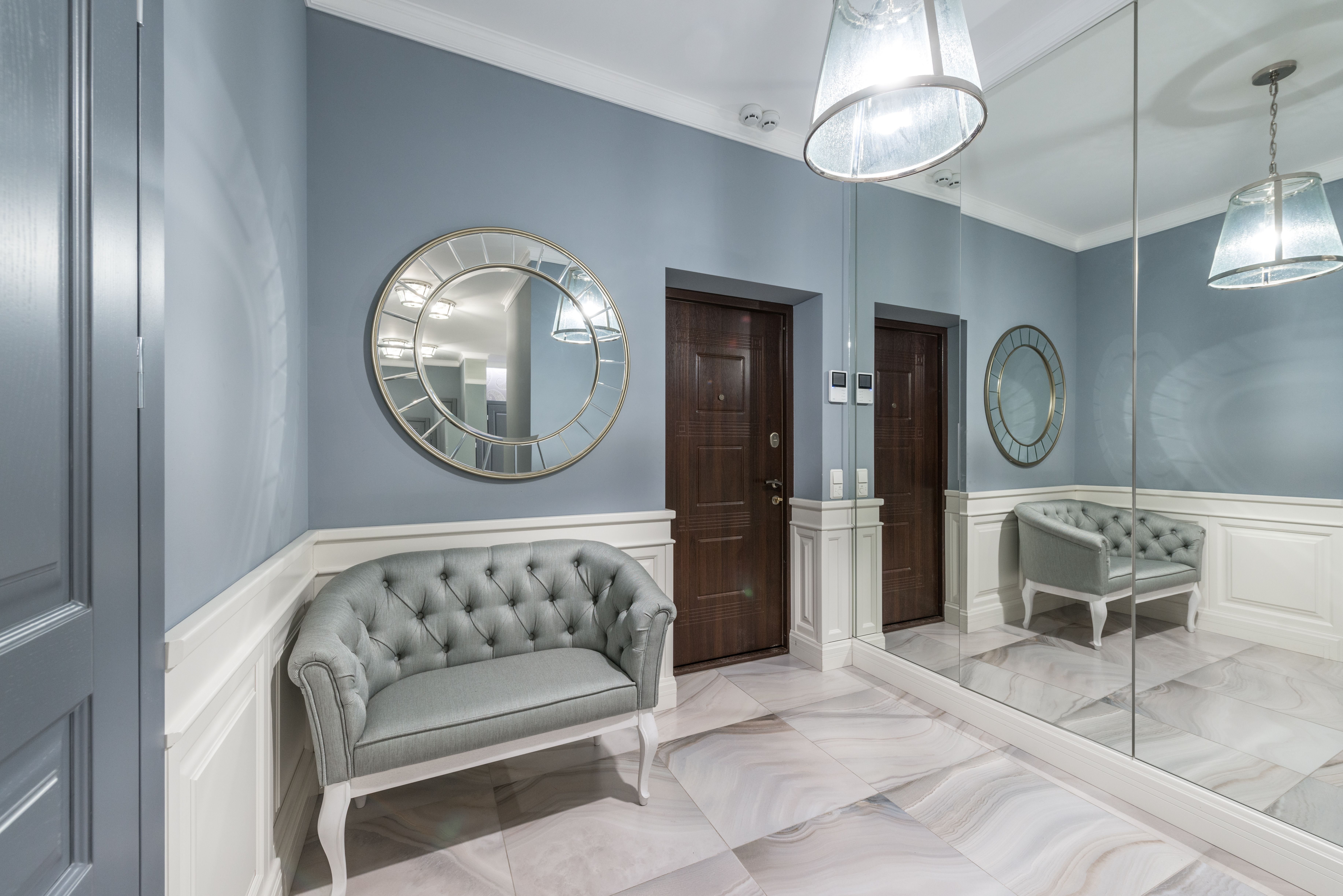
I have always found small rooms interesting because they force every choice to matter. In a large room, it is easy to hide design mistakes behind extra space. In a small room, there is nowhere for clutter, awkward furniture, or bad lighting to pretend it belongs. The good news is that a small room can still feel open, comfortable, and stylish with the right approach. I do not think a room needs to be big to feel beautiful. It just needs to be thoughtful.
The first thing I look at in a small room is the amount of clutter. Nothing makes a space feel smaller faster than too many things sitting out with no purpose. I try to remove anything that does not need to be seen every day. That does not mean the room has to feel empty or cold. It simply means every item should either be useful, meaningful, or beautiful. When there is less visual noise, the room immediately feels calmer and more spacious.
Furniture size is another major part of making a small room work. I like choosing pieces that fit the scale of the space instead of forcing oversized furniture into a room that is clearly begging for mercy. A huge sofa, bulky dresser, or wide coffee table can make even a decent-sized room feel cramped. I prefer furniture with slimmer arms, raised legs, and cleaner lines. When I can see more floor underneath a piece, the room feels lighter.
I also pay close attention to layout. Sometimes a small room feels tiny because the furniture is blocking the natural flow. I try to create clear walking paths and avoid pushing in pieces that make movement awkward. In some rooms, floating furniture slightly away from the wall can actually make the space feel more intentional. In others, placing furniture against the wall gives the room more breathing space. I like to test different arrangements before deciding, because the first layout is not always the best one.
Color also makes a big difference. Lighter colors can help a room feel more open, especially when paired with natural light. Soft white, cream, pale gray, warm beige, and gentle pastels can reflect light and keep the space from feeling boxed in. That said, I do not think every small room has to be painted white. A deep, rich color can also work if it is used with confidence and balanced with good lighting, mirrors, and simple decor.
Mirrors are one of my favorite tools for small rooms. A well-placed mirror can reflect light, add depth, and make the space feel larger than it really is. I like placing mirrors across from windows when possible, because they help bounce natural light around the room. Even a mirror above a console table, dresser, or fireplace can add a sense of openness. It is one of the few design tricks that actually earns its reputation.
Lighting matters just as much as color. A single overhead light can make a small room feel flat and harsh. I prefer using layers of light, such as table lamps, floor lamps, wall sconces, and soft accent lighting. Warm, balanced lighting makes the room feel inviting instead of cramped. Dark corners can make a space feel smaller, so I try to brighten them with lamps or reflective surfaces.
Storage is another important part of the equation. In a small room, storage needs to work hard without taking over. I like furniture that serves more than one purpose, such as ottomans with hidden storage, beds with drawers, benches with baskets, or side tables with shelves. Vertical storage can also help. Tall bookcases, wall shelves, hooks, and cabinets draw the eye upward and use space that might otherwise be wasted.
Window treatments can change the feeling of the room too. I like hanging curtains higher and wider than the window frame. This makes the windows look larger and the ceiling feel taller. Light, simple curtains usually work best because heavy fabric can make a room feel closed in. Letting in as much natural light as possible can make even a small space feel fresh.
In the end, making a small room feel bigger is not about pretending it is something it is not. It is about using the space wisely and choosing pieces that help the room breathe. When I reduce clutter, improve lighting, choose the right furniture, and create visual flow, a small room can feel open, calm, and beautifully designed. A small space may have limits, but with the right choices, it does not have to feel limited.
- Easy DIY Projects for a More Stylish Home

I have always believed that a stylish home does not need a giant renovation budget or a dramatic makeover that turns the house upside down. Sometimes the best changes are small projects that take an afternoon, a little patience, and the ability to forgive yourself when the first attempt looks suspiciously like a school project. A home can feel more polished when I add thoughtful details with my own hands.
One of my favorite easy DIY projects is updating old picture frames. I like finding frames at thrift stores, garage sales, or tucked away in closets, then giving them a fresh coat of paint. Black, white, gold, brass, or natural wood tones can change the look. Once the frames feel coordinated, I use them for family photos, printable artwork, sketches, or pressed botanicals. A simple gallery wall can make a hallway, bedroom, or living room feel finished.
Another project I love is creating a small accent wall. This does not always mean wallpapering an entire room or installing complicated trim. Sometimes I use peel-and-stick wallpaper behind shelves, in a powder room, or on one bedroom wall. Other times, a painted arch or a bold color behind a bed adds personality without taking over the space. It is a low-commitment way to make a room feel designed instead of accidentally assembled.
Changing cabinet hardware is another simple upgrade that makes a surprising difference. I have seen basic kitchens, bathrooms, and laundry rooms look newer just by swapping old knobs and pulls for something cleaner and more stylish. Matte black, brushed brass, polished nickel, or simple wood hardware can change the mood of a room quickly. The best part is that this project usually requires only a screwdriver, which is mercifully simple.
I also like making my own decorative trays. A plain wood tray can be painted, stained, or lined with peel-and-stick tile. I use trays on coffee tables, bathroom counters, nightstands, and kitchen islands because they make random items look intentional. Without a tray, a candle, book, and little vase can look like clutter. On a tray, suddenly it is a styled moment, because apparently objects behave better when grouped together.
Another easy DIY project is refreshing lampshades. A dated lampshade can make an entire room feel tired, even when everything else is nice. I sometimes replace the shade completely, but I also like covering a plain shade with fabric, adding trim, or choosing a linen look. Lighting matters so much in a home, and a small lamp update can make a room feel warmer, softer, and more inviting.
Shelf styling is another project that costs little but changes a lot. I like removing everything first, then putting back only the pieces that actually add beauty or meaning. Books, small plants, framed photos, baskets, pottery, and candles can make shelves feel layered. I try to mix heights, shapes, and textures so everything does not look lined up like it is waiting for inspection. The goal is balance.
Painted furniture is also one of my favorite ways to reuse what I already have. A worn side table, dresser, or bench can feel completely different with sanding, primer, and paint. I usually choose timeless colors like soft white, charcoal, sage green, navy, or warm beige. New hardware can finish the piece and make it look custom. It is not always flawless, but that is part of the charm.
I also enjoy adding texture with simple fabric projects. Pillow covers are one of the easiest ways to change a room seasonally. I like using washable covers so I can switch colors and patterns without buying all new pillows. Curtains are another big opportunity. Hanging curtains higher and wider than the window can make a room feel taller and more elegant. It is such a simple trick, yet it works almost every time.
In the end, easy DIY projects are about making a home feel more thoughtful, comfortable, and personal. I do not think every project has to be perfect to be worth doing. A stylish home is built through layers, small improvements, and choices that reflect the people living there. With a little creativity, even the simplest project can make a space feel more like home.
- How to Choose a Color Palette for Your Home
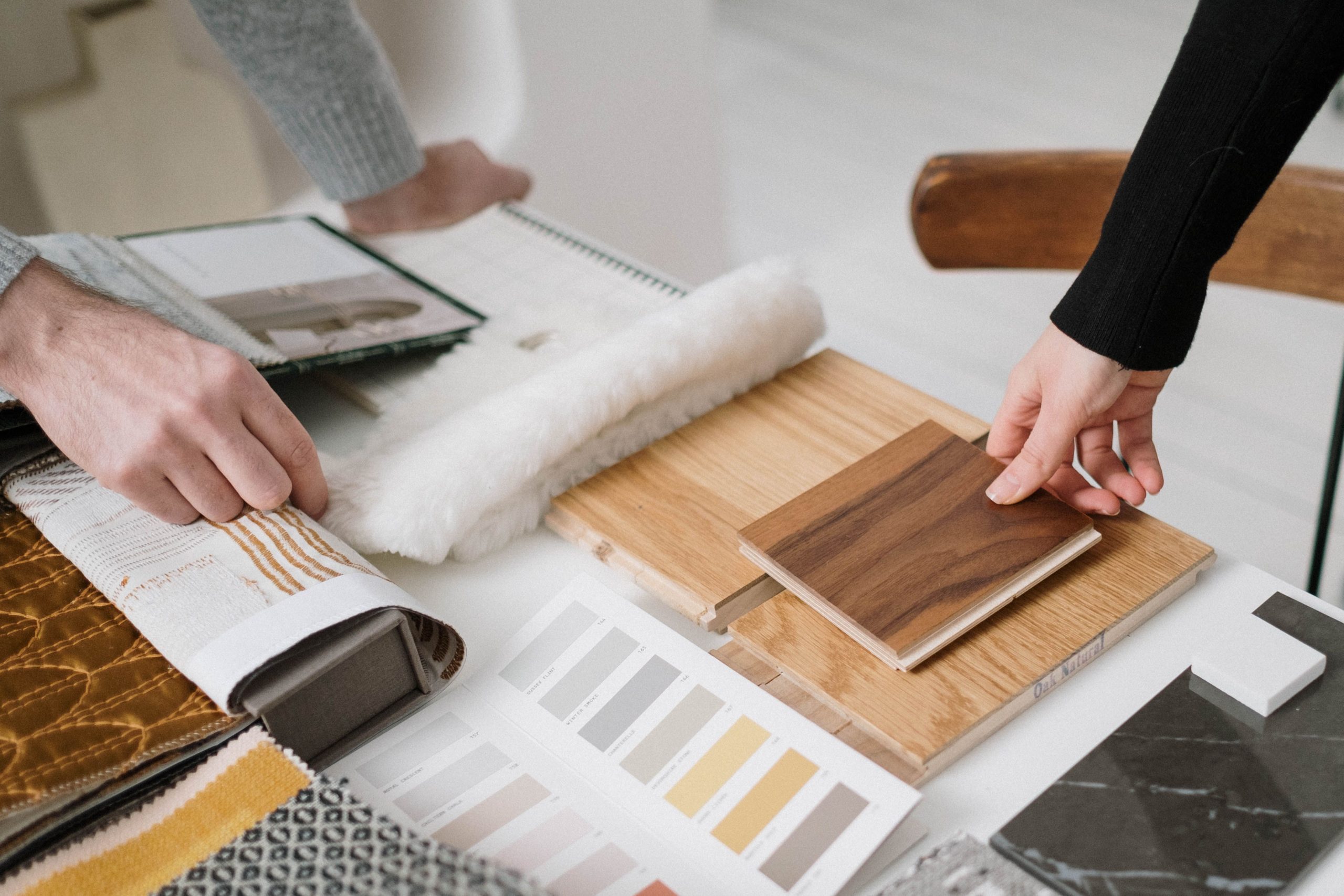
Choosing a color palette for your home can feel exciting at first, and then very quickly become overwhelming. I have stood in front of paint swatches, fabric samples, flooring options, and decor pieces wondering how something as simple as color can suddenly feel like a life decision. The good news is that creating a beautiful color palette does not have to be complicated. I like to think of it as building a feeling first, then choosing the colors that support it.
When I start thinking about a room, I do not begin with the paint color. I begin with how I want the space to feel. Do I want it to feel calm and peaceful? Warm and cozy? Bright and cheerful? Clean and modern? The feeling of the room should guide the colors. A bedroom might need softer, more relaxing tones, while a kitchen or living room may be able to handle something warmer, richer, or more energetic.
One of the easiest ways I choose a palette is by looking at what already exists in the home. Flooring, cabinets, countertops, tile, and large furniture pieces all matter. Unless I plan to replace them, I have to work with them, not against them. Ignoring existing finishes is how a room ends up looking like five different design decisions got into a fight and nobody won. If my floors have warm undertones, I usually lean toward colors that complement that warmth. If my counters or tile are cooler, I look for shades that feel balanced beside them.
I also like to choose one main color, one or two supporting colors, and one accent color. The main color usually goes on the walls or appears in the largest areas of the room. The supporting colors show up in furniture, rugs, curtains, bedding, or decor. The accent color is where I can have a little fun. That might be a deep green pillow, a navy vase, a brass lamp, or a piece of art that adds personality without taking over the whole space.
Neutrals are also important, even if they do not seem exciting. White, cream, beige, gray, taupe, and soft brown can help a room feel grounded. I do not think neutrals have to be boring. In fact, a good neutral palette can make a home feel timeless and peaceful. The trick is to use texture so the room does not feel flat. Woven baskets, linen curtains, wood furniture, cozy throws, and mixed materials can make neutral colors feel warm and layered.
Natural light is another big factor. A color that looks beautiful in one room can look completely different in another. I always recommend testing colors before committing. Paint samples on different walls and look at them during the morning, afternoon, and evening. Artificial lighting can also change how colors appear. A soft beige can suddenly look yellow. A gray can turn blue. Paint is sneaky like that, because apparently walls enjoy betrayal.
I also try not to chase trends too hard. Trendy colors can be fun, but I prefer using them in smaller pieces that are easy to change. Pillows, artwork, lamps, and accessories are much easier to replace than an entire room of paint, tile, or furniture. A home should feel current, but it should also feel like the person living there actually likes it.
In the end, choosing a color palette is about creating flow, comfort, and personality. I want each room to feel connected to the next, but not identical. When the colors work together, the whole home feels calmer and more intentional. A thoughtful palette can make even a simple space feel finished, welcoming, and beautifully designed.